66° and Clear

Streets Cleared for the World Stage: Allegations of Mass Dog Killings Rock World Cup Host Preparations


By Rhonda Nelson
As host cities accelerate preparations for the upcoming FIFA World Cup, a growing body of evidence suggests that efforts to present a polished global image may be unfolding at a hidden cost. Animal welfare investigators, local volunteers, and veterinary experts say large numbers of stray dogs have been quietly removed — and in some cases killed — in operations they allege are tied to tournament readiness.
The accusations place renewed scrutiny on FIFA, which oversees the world’s largest sporting event and has increasingly faced pressure to enforce broader ethical standards in host nations. While the organization has introduced human rights policies in recent years, its hosting frameworks contain few explicit provisions governing animal welfare practices.
A Pattern Emerges
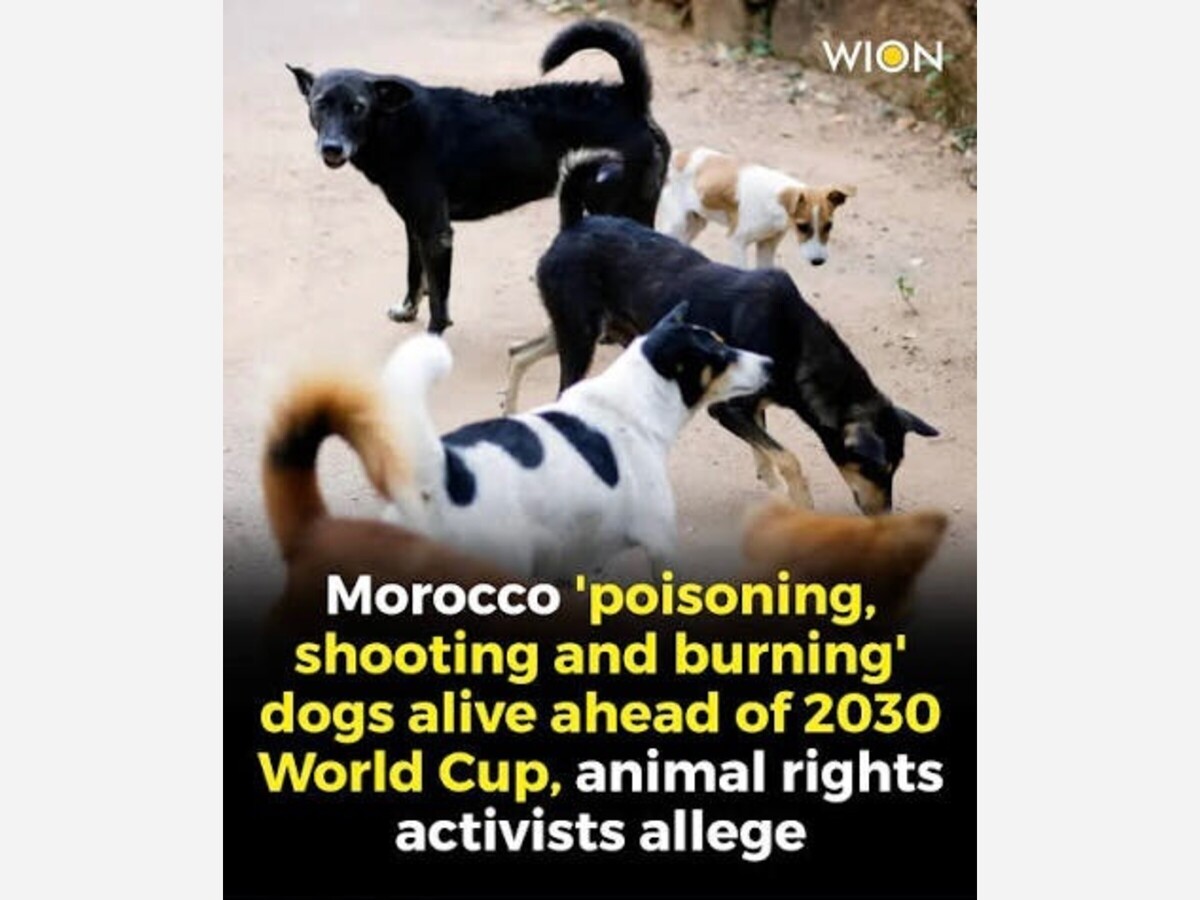
Reports have surfaced most prominently in Morocco, set to co-host the 2030 World Cup. Rescue groups there say municipal contractors have intensified street sweeps, with some alleging the use of poison-laced bait and shootings to rapidly reduce stray populations.
Local activists describe finding animal remains on city outskirts and abandoned lots. Photographs reviewed by international welfare groups appear to show dogs displaying symptoms consistent with poisoning, though officials dispute those conclusions and insist no mass cull is underway.
Municipal authorities maintain that their actions fall within longstanding public health mandates aimed at controlling rabies and ensuring public safety. They reject claims that the operations are linked to the World Cup, calling such assertions speculative and politically motivated.
Global Outcry Builds
International advocacy organizations, including Humane Society International, say the situation reflects a recurring pattern around mega-events. Similar allegations surfaced before past Olympics and continental tournaments, where host cities faced intense pressure to demonstrate cleanliness, order, and tourist readiness.
Experts in animal population management warn that culling rarely produces lasting results. Without sterilization programs, vaccination campaigns, and community engagement, they say stray populations often rebound quickly — sometimes within a single breeding cycle.
“This approach is about optics, not solutions,” one veterinary public health specialist said. “It removes the visible problem without addressing the cause.”
The Accountability Gap
The controversy highlights a broader governance dilemma surrounding global sporting events. FIFA sets requirements for stadiums, transportation networks, and commercial zones, but local governments retain control over animal management policies. That division leaves enforcement of humane practices largely dependent on national priorities.
Sponsors and tourism boards now face growing pressure from campaigners who argue that international events should uphold consistent ethical standards across all aspects of preparation — including the treatment of animals.
What Comes Next
With years remaining before kickoff, advocacy networks are urging FIFA to introduce binding animal welfare clauses into host agreements. Proposed measures include mandatory sterilization initiatives, vaccination drives, and partnerships with shelters and veterinary organizations.
For now, investigators continue documenting reports on the ground, while local officials reiterate that their actions are lawful and necessary.
As the world anticipates another celebration of sport, the unfolding controversy underscores a sobering question: what realities lie just beyond the televised spectacle — and who bears responsibility for them?