83° and Partly Cloudy
Questions mount after dog euthanized at Clayton County Animal Control


By Rhonda Nelson
CLAYTON COUNTY, Ga. — The death of a dog named Barney while in the custody of Clayton County Animal Control has sparked outrage among animal advocates and renewed scrutiny over the handling of animals in municipal facilities.
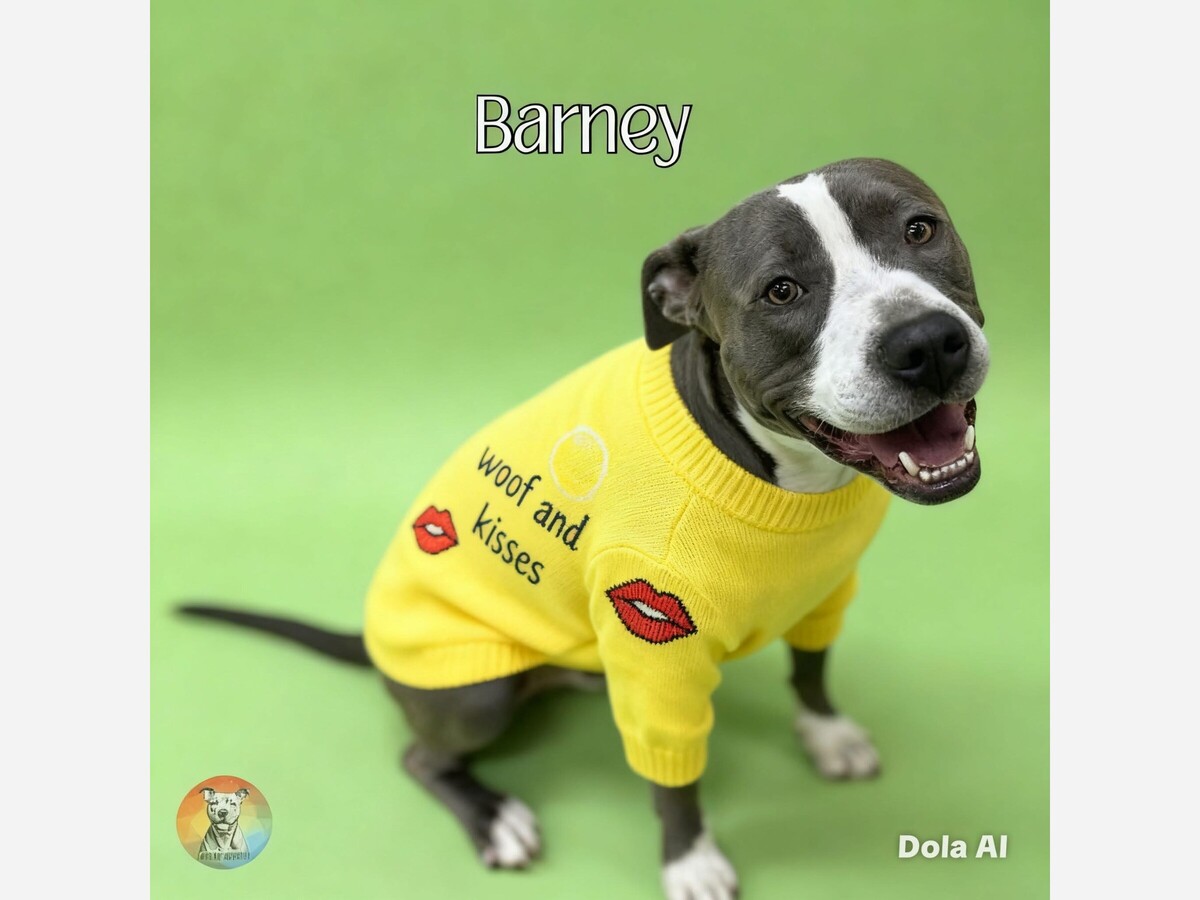
County officials say Barney, described as a young pit bull, was euthanized after an incident in which the dog allegedly attacked two staff members during a microchipping procedure. According to the county’s account, the dog lunged at employees after a muzzle was removed, causing severe injuries that required medical treatment.
Authorities cited public safety concerns in their decision to euthanize the dog.
But the circumstances surrounding the incident — and allegations about what occurred afterward — have raised troubling questions and led some advocates to call for an independent investigation.
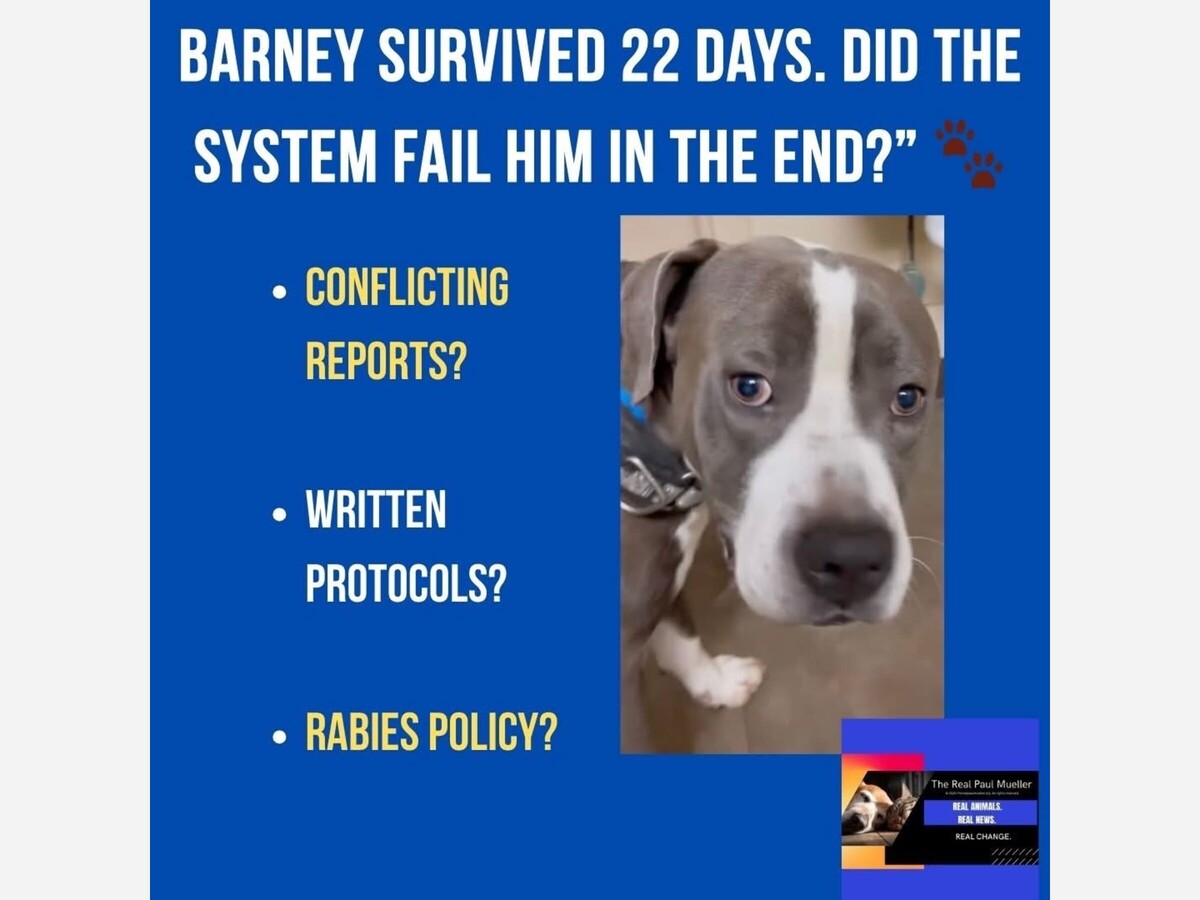
Records and reports from those following the case indicate that Barney had been in custody at the facility for approximately 22 days prior to the incident without any reported aggressive behavior. Advocates say that detail raises additional questions about what may have changed during the handling that day.
Animal control facilities routinely receive animals that are frightened, injured or unfamiliar with human handling. Experts in animal welfare say such situations require careful management, specialized training and, in some cases, sedation or behavioral evaluation to reduce the risk of fear-driven reactions.
Critics argue that if those safeguards were not used, the situation may have escalated unnecessarily.
Additional concerns surfaced after images and video clips began circulating on social media following Barney’s death. Some observers have pointed to photographs in which the dog does not appear to be wearing a muzzle, despite official statements referencing restraint during the procedure.
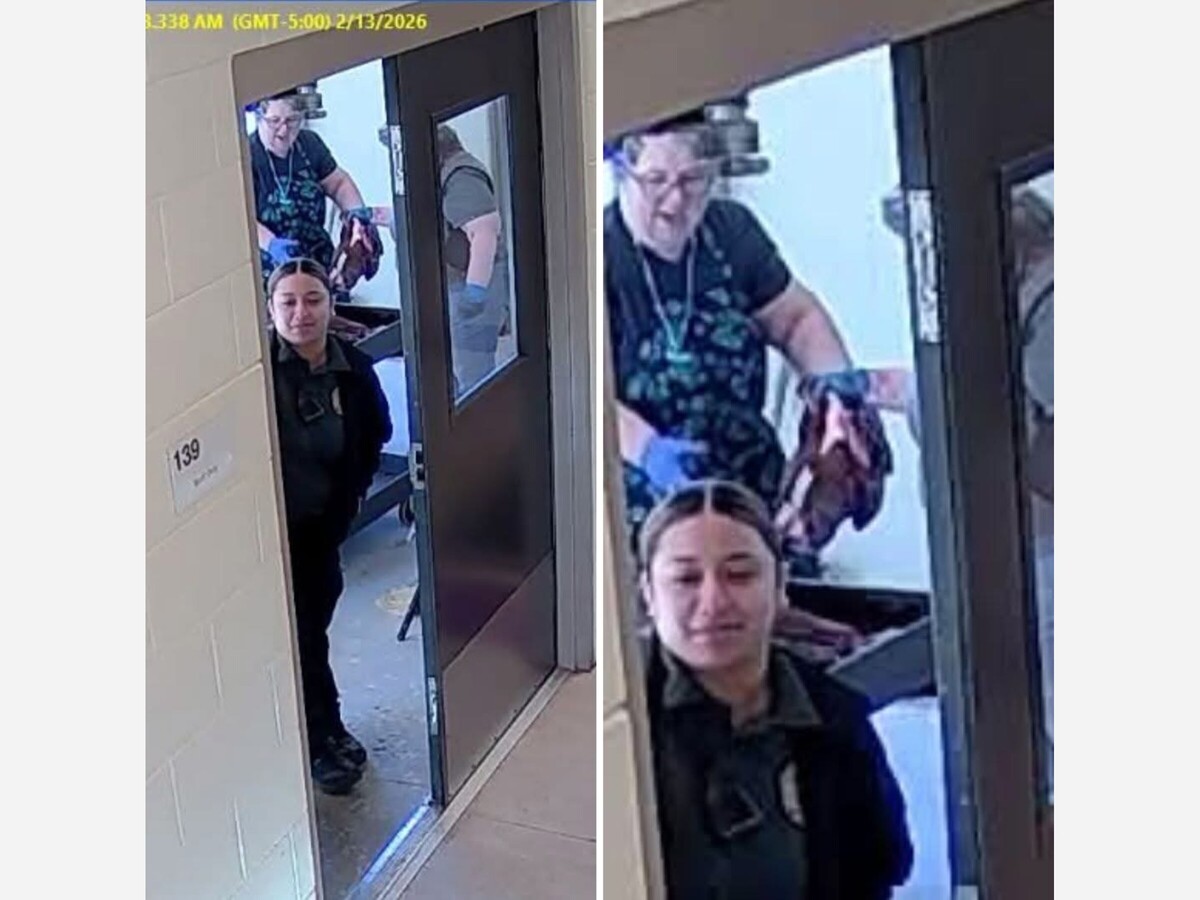
More disturbing allegations have also emerged from individuals who say video footage shows staff members laughing while another employee removed the dog’s head after euthanasia.
Rabies testing sometimes requires brain tissue samples, a process that can involve removal of the animal’s head. Even so, advocates say such procedures are expected to be conducted with professionalism and respect.
If employees behaved inappropriately during the process, critics say it would represent a serious lapse in professionalism for a public agency responsible for the care of impounded animals.
The controversy has prompted broader questions about transparency and oversight. Animal control agencies operate with significant authority, including the ability to seize animals and make life-or-death decisions about their fate.
With that authority, advocates say, comes a responsibility to ensure humane treatment and maintain public trust.
Calls are growing for a thorough and independent review of Barney’s case, including whether proper handling procedures were followed, whether the dog received a behavioral evaluation and whether staff conduct met professional standards.
For many animal welfare advocates, the case has become a flashpoint in a larger conversation about how municipal animal control departments balance public safety with humane treatment.
Until more answers are provided, Barney’s death is likely to remain a source of controversy and a reminder of the high standards the public expects from agencies entrusted with the care of vulnerable animals.