67° and Overcast

TizzyEnt: The Social Media Watchdog Turning Viral Videos Into Calls for Accountability


By Rhonda Nelson | Independent Journalist
October 9, 2026
In an era when a single video can travel around the world in minutes, one social media creator has built a massive following by asking a deceptively simple question: Who is responsible for what we're seeing?
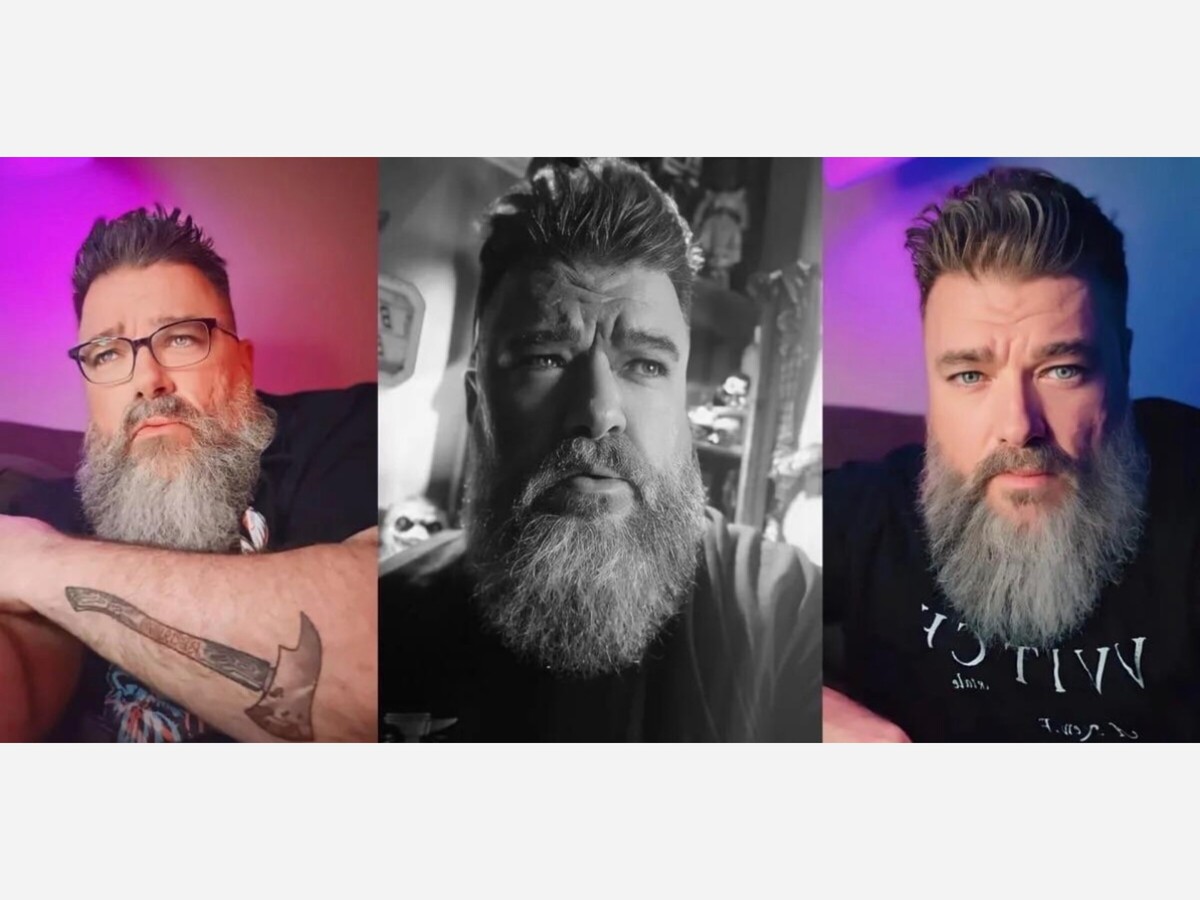
Michael McWhorter, better known to millions as TizzyEnt, has become one of the internet's most recognizable voices in the fight against bullying, racism, discrimination, and public harassment. With his distinctive salt-and-pepper beard, direct delivery, and determination to identify individuals involved in troubling viral encounters, McWhorter has transformed social media into a powerful instrument of public accountability.
But his growing influence also raises important questions about digital activism, public exposure, and where the line falls between seeking justice and encouraging online vigilantism.
From Filmmaker to Digital Advocate
Before becoming widely recognized for his social media activism, McWhorter worked in filmmaking, directing music videos and commercial productions.
His transition into online advocacy developed as he began encountering viral footage of people being threatened, harassed, or subjected to discriminatory behavior.
Rather than simply sharing these videos, McWhorter began asking viewers to help identify those involved.
In an October 2024 interview with Complex, McWhorter described how his audience became central to that process. At the time, the publication reported that he had accumulated more than 6.5 million TikTok followers.
McWhorter credited the collective efforts of his followers rather than presenting himself as a lone investigator.
Giving a Voice to Those Who Feel Powerless
One of the defining characteristics of TizzyEnt's content is his focus on incidents involving people who may lack the resources, visibility, or influence to challenge mistreatment.
His videos have addressed allegations of racial harassment, aggressive confrontations, bullying, and other troubling behavior captured on camera.
For many supporters, his platform represents something larger than social media entertainment.
It offers an opportunity for individuals who might otherwise feel ignored to have their experiences acknowledged by an audience capable of demanding answers.
The approach often begins with footage submitted by a viewer. McWhorter has described seeking permission before sharing submitted material and asking his followers to assist in identifying those involved.
Some cases have resulted in professional consequences or criminal investigations, although the circumstances and evidence vary from incident to incident.
A Growing Influence Beyond Social Media
McWhorter's influence has expanded beyond TikTok and Instagram.
The eight-episode production expands the format through interviews with victims, witnesses, law enforcement, and, in some cases, the individuals accused of misconduct.
The transition from social media videos to a television production marks a significant development in McWhorter's career and illustrates the growing mainstream interest in internet-driven investigations.
His presence also extends across multiple social media platforms, including YouTube, Facebook, Instagram, X, and Bluesky.
The Controversy Surrounding Online Accountability
Despite his popularity, McWhorter's methods have not escaped criticism.
The practice of publicly identifying individuals associated with controversial videos has generated broader concerns about privacy, harassment, misinformation, and disproportionate punishment.
Critics of online accountability campaigns argue that viral footage may lack important context and that identifying someone publicly can expose them to threats or harassment before the facts have been independently established.
McWhorter himself has faced accusations concerning the conduct of his online campaigns. A petition circulated on Change.org in 2021 accused him and several other creators of encouraging harassment. Those allegations, however, are claims made by petition organizers and should not be treated as independently verified findings.
The debate reflects a larger dilemma confronting digital society.
When traditional institutions fail to respond quickly to allegations of misconduct, online communities sometimes attempt to fill the gap. Yet the speed and reach that make social media effective can also magnify mistakes.
Accountability and due process are not necessarily opposing principles. Both depend on reliable evidence, careful judgment, and an understanding of the consequences that public accusations can carry.
A New Form of Citizen Journalism?
McWhorter's work also raises questions about the evolving definition of journalism.
Traditional reporters are expected to verify information, seek multiple perspectives, and provide opportunities for individuals facing allegations to respond.
Social media investigators frequently operate in a different environment, where speed, audience participation, and public engagement are central to the process.
Although TizzyEnt's work shares certain characteristics with investigative reporting, it also functions as advocacy.
That distinction matters.
Advocacy seeks to advance a position or cause. Journalism, at its best, seeks to establish verifiable facts, even when those facts complicate the narrative.
Both can contribute to public awareness, but the responsibilities associated with identifying and publicly accusing individuals remain significant.
More Than Viral Videos
Beyond his investigations, McWhorter has used his public platforms to promote political causes, encourage civic participation, and support fundraising initiatives.
His publicly linked accounts include campaigns addressing reproductive rights, government accountability, and other political and social issues.
These activities reflect the increasingly blurred boundaries between content creation, activism, and political influence.
Social media personalities are no longer simply entertainers. Some have become advocates, organizers, and influential participants in public debate.
Their audiences can amplify stories that might otherwise receive little attention, but that influence also brings considerable responsibility.
The Power and Responsibility of a Digital Platform
Whether viewed as a champion of accountability or a controversial figure in online activism, McWhorter has established himself as an influential participant in the digital conversation about public behavior.
His success reflects a society increasingly unwilling to allow incidents of alleged discrimination, harassment, or abuse to disappear without scrutiny.
At the same time, the consequences of internet-driven investigations underscore the importance of accuracy, restraint, and fairness.
A viral video may expose wrongdoing. It may also leave out crucial information.
A large audience can help uncover the truth. It can also amplify an error.
For creators like TizzyEnt, the challenge is ensuring that the pursuit of accountability does not compromise the principles of fairness that make accountability meaningful.
As social media continues to reshape public discourse, McWhorter's career offers a compelling example of both the possibilities and the complications of digital activism.
The larger question may no longer be whether social media has the power to hold people accountable. It is how that power should be exercised, and who is responsible when it goes too far.